
Honorary members gallery
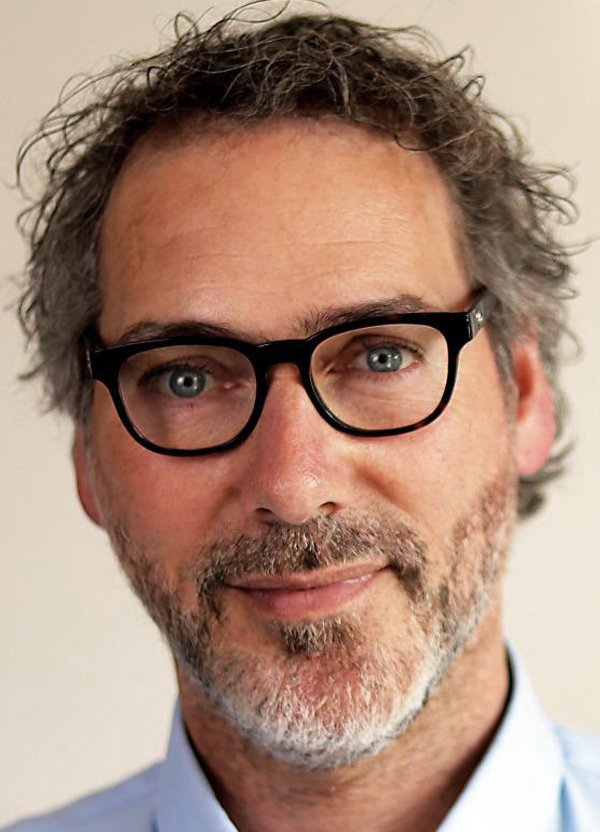
Dr. Stefan Rücker GmbH, Dipl.-Psych.
Specializations: Clinical child psychology, mediation, assessments, child welfare
Conducts nationwide studies, including on behalf of the Federal Ministry of Family Affairs (child welfare and access rights); Kid-I (children in custody) and many more.
Dr. Stefan Rücker has been the link between research and practice for around 20 years. On the one hand, he works as a researcher, on the other he offers advice in his own practice. His focus is on the protection of children in the context of separation and divorce. He advises separating parents with underage children on the question of the conditions under which separations can be structured in the best interests of the child and which care model is most likely to be recommended in each individual case.
Author with a large number of scientific publications in respected journals and specialist books. Politicians, family courts and the media regularly ask Dr. Rücker for his expert opinions.
contact
www.drstefanruecker.de
beratung@drstefanruecker.de
Prof. Dr. Jur. Hildegund Sünderhauf-Kravets.
The Council of Europe has recommended the alternating model following the separation of parents. Since then, there has been a nationwide debate on how parents can best fulfill their parenting responsibilities. Prof. Dr. Hildegund Sünderhauf has researched the alternating model from a psychological and legal perspective.
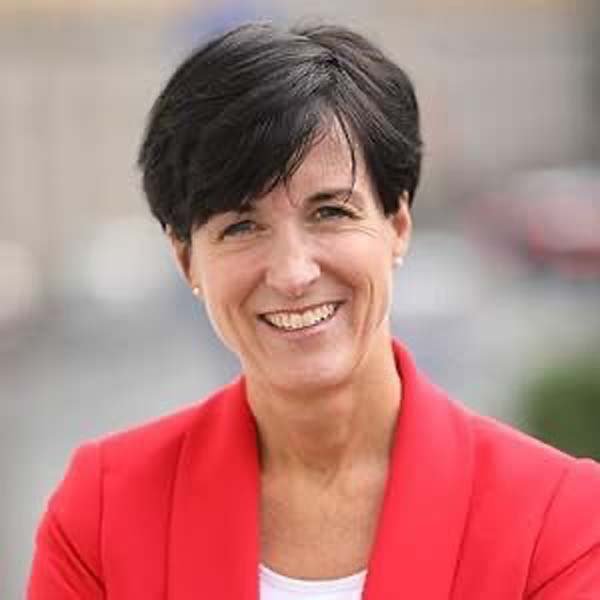
Vonne Diewald
About the author
Yvonne Diewald is one of the leading transformation experts and neuro coaches in Germany. She worked for many years in a DAX company as a strategic advisor to the board members and managing directors and individually developed 1,300 top managers.
Yvonne Diewald is married and the mother of two children. She lives in Bonn and has been working as a neuro coach since 2011. Yvonne Diewald became world champion at the 2021 International Speakers Slam with her story.
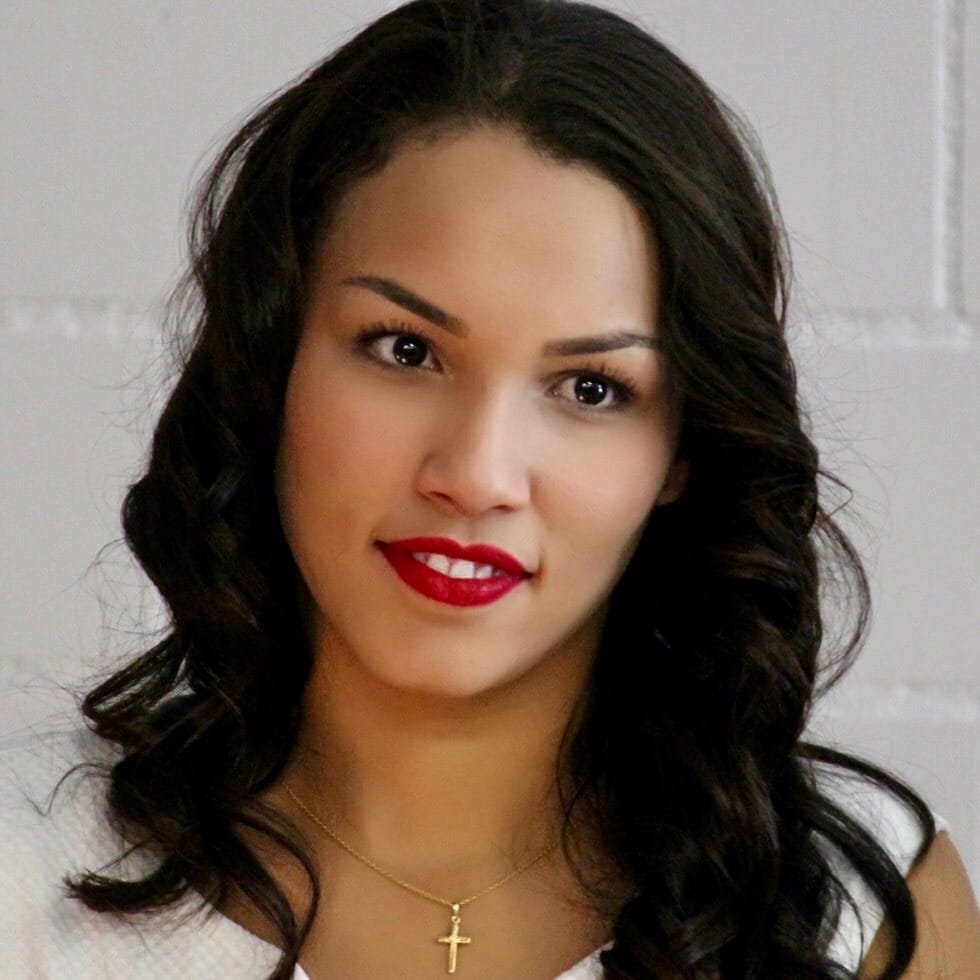
Angie is a mother, entrepreneur and writer. In her book “Angie Stones – David versus Goliath”, she tells her personal story full of courage, faith and commitment to justice. Her heartfelt desire is to give hope and strength to others who have been affected.
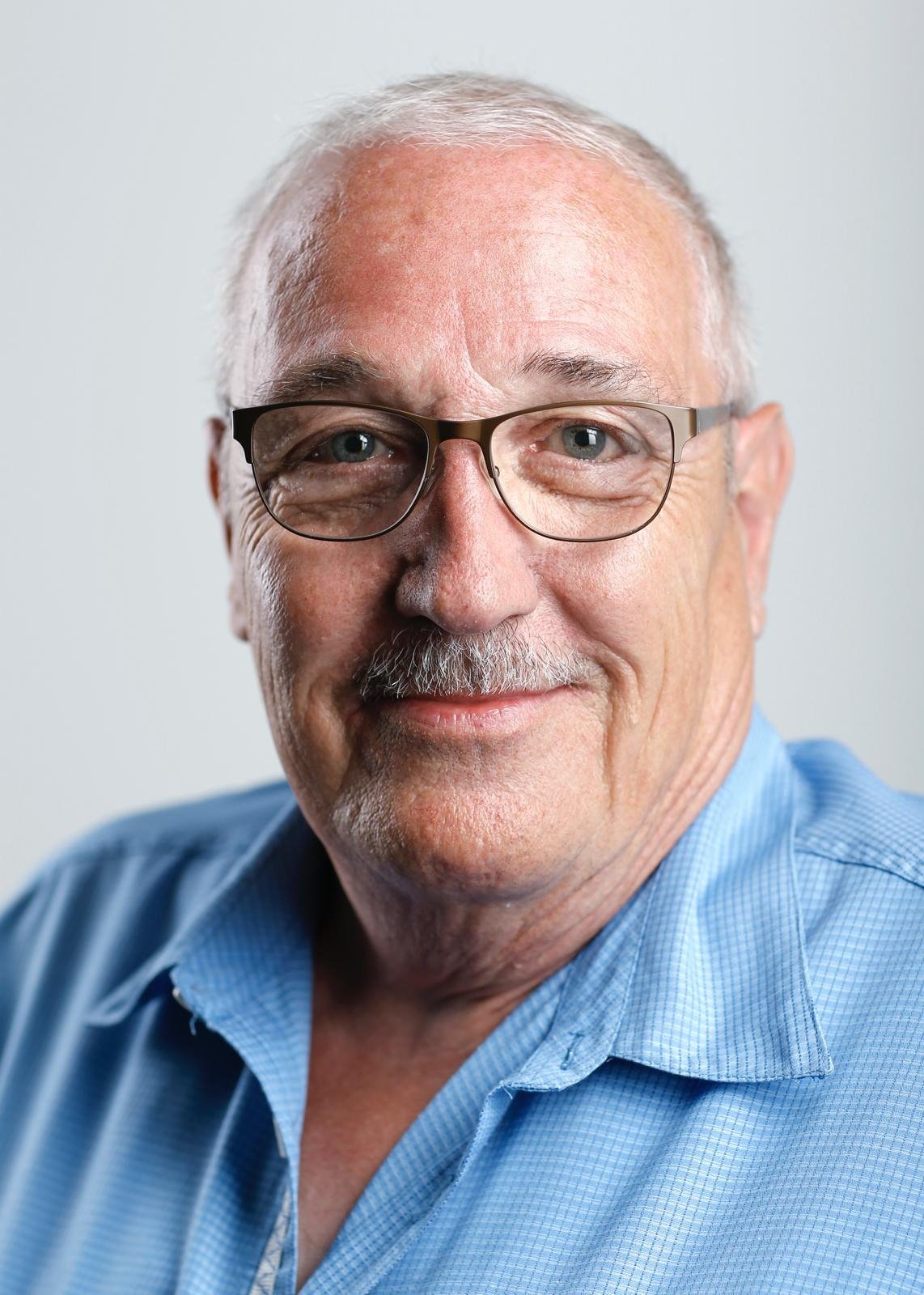
Curriculum vitae Kurt W. Gäggeler
(in brackets events that were told to me)
The first year of life in Bern was almost normal (comminuted fracture of the nose in the playpen without medical clarification).
I lived in a block of 6 apartments on the second floor. My father worked for the city of Bern's building department and was absent all day.
My mother didn't seem to have much need to see me, so as soon as I was able to leave, I went "ringing" in the house and invited myself to dinner.
In the spring of 1955, I moved away from Bern to visit friends from my father's youth.
Once a year, Miss Neeser from the official guardianship office in Berne, who was my guardian Ernst Schürch's official receptionist, came to see if the boy had a bed, enough to eat and to check his school performance. The guardian himself couldn't take care of that - no wonder with around a thousand wards!!!, what he pedantically and meticulously monitored was the flow of money.
In 1996, my biological father died at the age of 55 after a long period of suffering. It was a bitter loss for me, despite the few contacts I had.
My guardian called me in one last time, gave me a savings book with a balance of CHF 8.70 and told me, among other things, that I still had a half-sister on my mother's side who didn't want to know anything about me. I took note of this and turned my attention to the life I enjoyed. I met my future wife and got married at the age of 22 - the marriage lasted until then and I am proud of that because I knew what it meant to be a child of divorce! My professional and family life began with the constant desire to improve myself and, as they say, to work my way up. Influenced by my youth, I was always open and direct, which was not always conducive to my career. However, I am satisfied so far and was happy to look in the mirror in the morning until the end.
When I was 60 years old, I became more and more interested in details about my roots and I began to search - a grueling task with many "low blows" - I had to realize that various people had played me badly as a "Verdingbub"; a few examples are mentioned here:
The "adoption scene" - the choice of profession - the theft of money - my father had actually bequeathed me around 16,000 francs - the record of the start of the KV apprenticeship says, he is pale and weak although I regularly swung and did farm work - the lie that the half-sister didn't want to know anything about me was also exposed when the biological mother died - the whole thing is actually a never-ending story that is incomprehensible to outsiders, what society thinks of such events could be read and heard at the latest with the reparation initiative.
In spite of everything, my resentment has become very small - I have used much of my energy since retiring to ensure that this evil history is finally dealt with properly, that a contemporary document is produced similar to the "Berchier Report" and, even more importantly, that this arbitrariness and in some cases deliberate denigration is curbed. The liars of the Verdingkinder must be put on the same level as the Holocaust liars; anyone who denies "our" history today must be able to be charged as an official offense.
My family always got on well with my foster parents - the foster father died in 1995 and the foster mother in 2015. They were really good grandparents to our sons.
Conclusion:
The first three years were somehow very formative for my character, as well as the terrible scene with the municipal clerk regarding adoption; for many years there was only black and white for me, or in other words good/bad - right/wrong. That didn't make my life any easier until I was about 60, when I became increasingly able to "agree".
My greatest success is and was that my lovely wife and I managed to ensure that the family never fell apart, despite some big "chunks", including financially.